

Blogs
The Optimal Relationship Between Health and Olive Oil!

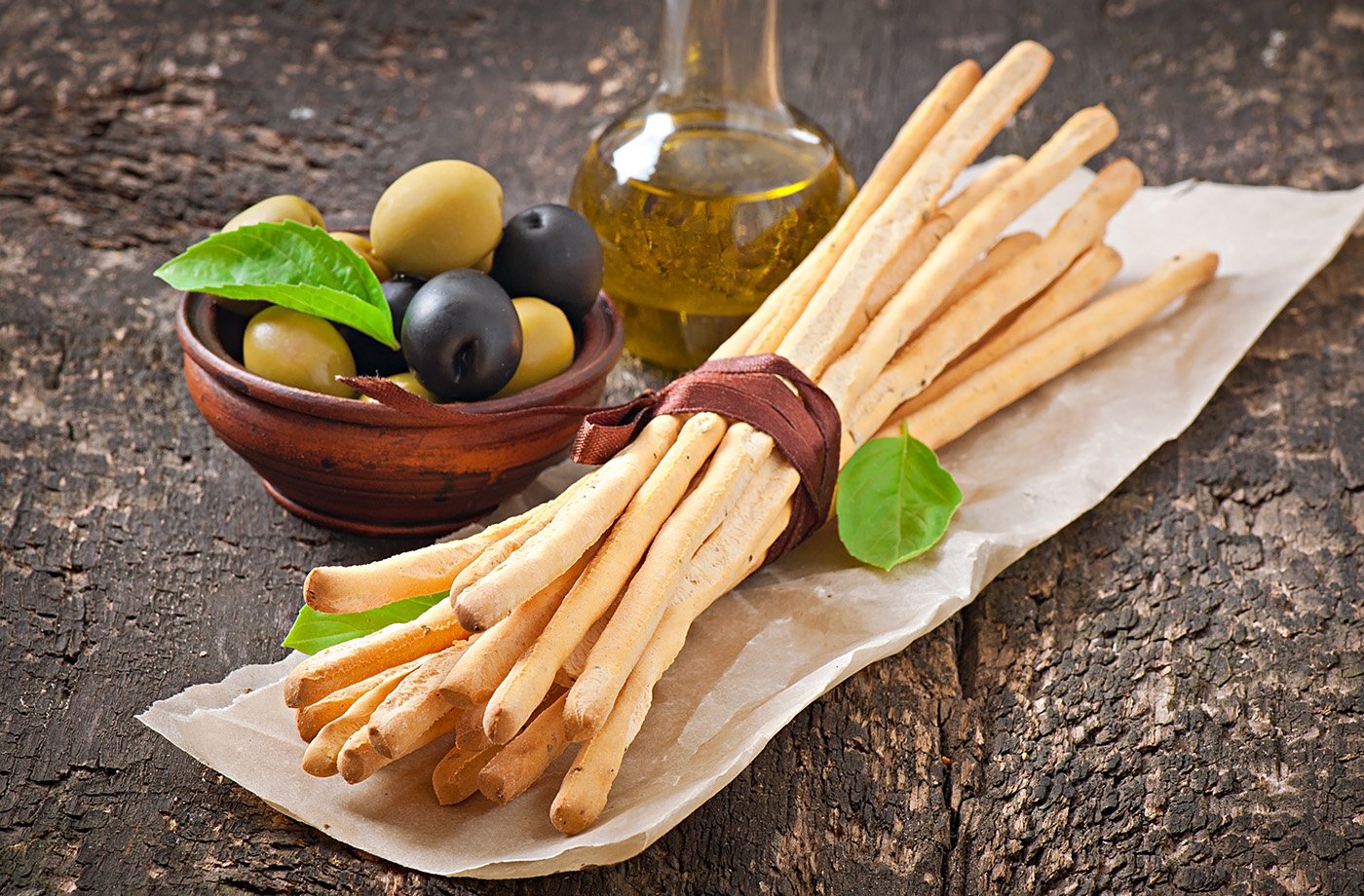
The Optimal Relationship Between Health and Olive Oil: Not Just Oil, But a Complete Lifestyle
The relationship between health and Extra Virgin Olive Oil (EVOO) is an integrative one, deeply rooted in history and epitomized by the Mediterranean Diet. The power doesn’t lie in consuming the oil in isolation, but in making it the cornerstone of a balanced nutritional system.
Here is a breakdown of the pillars of this optimal relationship and how to apply it:
1. The Foundation: Quality First (Extra Virgin Olive Oil)
To achieve the optimal relationship between olive oil and health, the process must begin with selecting the correct source:
-
Extra Virgin (EVOO): This is the only type extracted mechanically (via cold pressing) without chemical or thermal treatment. This ensures the highest concentration of powerful antioxidants (polyphenols), which are the true secret to its health benefits.
-
Not all oil is equal: Refined or “light” types lose most of these protective compounds during processing, significantly weakening their relationship with health.
2. Protective Use: Anti-Inflammatories as a Health Shield
The optimal relationship is evident in the ability of the oil’s compounds to act as a natural protective medicine in the body:
-
Reducing Silent Inflammation: EVOO contains the compound Oleocanthal, which acts as a natural analgesic and anti-inflammatory agent. When consumed regularly, it reduces low-grade chronic inflammation, the causative factor for most chronic diseases (such as diabetes and heart disease).
-
Cell Protection: Fat-soluble vitamins ($\text{A}, \text{E}, \text{K}$) act as antioxidants, protecting cell membranes from damage caused by free radicals, thus delaying cellular aging and supporting immunity.
3. Dietary Integration: Olive Oil as a Smart Substitute
The optimal relationship is strengthened when olive oil replaces less healthy fats in your diet:
-
Replacing Saturated and Trans Fats: EVOO is primarily used instead of butter, ghee, and refined vegetable oils in cooking or as an accompaniment to bread. This substitution shifts the fat composition of your diet in favor of heart-healthy monounsaturated fats.
-
Nutrient Carrier: When olive oil is added to salads or vegetables, it increases the body’s ability to absorb fat-soluble vitamins (such as A, D, E, K) from those vegetables.
4. The Mediterranean Diet: The System That Maximizes Benefit
Nutritional science shows that the benefits of olive oil are maximized when integrated into the Mediterranean lifestyle, which relies on synergy between multiple components:
| Key Component in the Diet | Synergistic Effect with Olive Oil |
| Leafy Greens and Fruits | Rich source of vitamins and minerals, and the oil enhances their absorption. |
| Whole Grains and Legumes | Source of fiber that supports gut health (with the aid of the oil). |
| Fatty Fish (Omega-3) | The monounsaturated fats in the oil complement Omega-3 to maximize heart protection. |
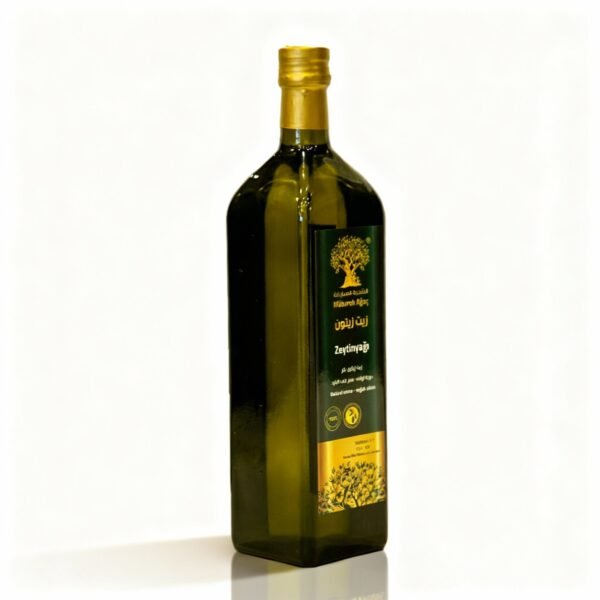
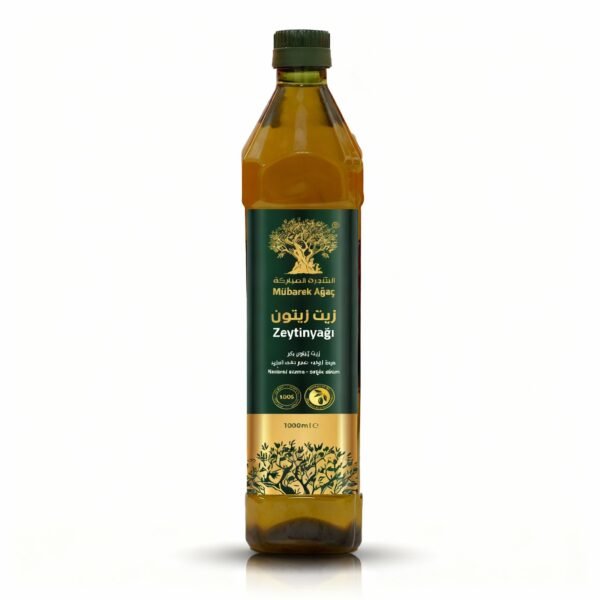

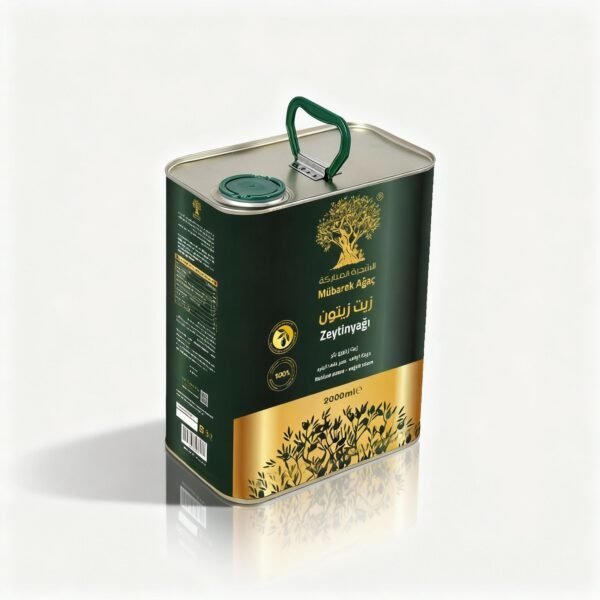

Conclusion: The optimal relationship between health and olive oil is a relationship of preventive investment. Extra Virgin Olive Oil should be viewed as a daily regimen, consumed regularly and with high quality, to become an integral part of a lifestyle that protects the heart, reduces inflammation, and supports the body’s vital functions.


