

Blogs
Olive Cultivation and Proper Tender Harvesting Methods

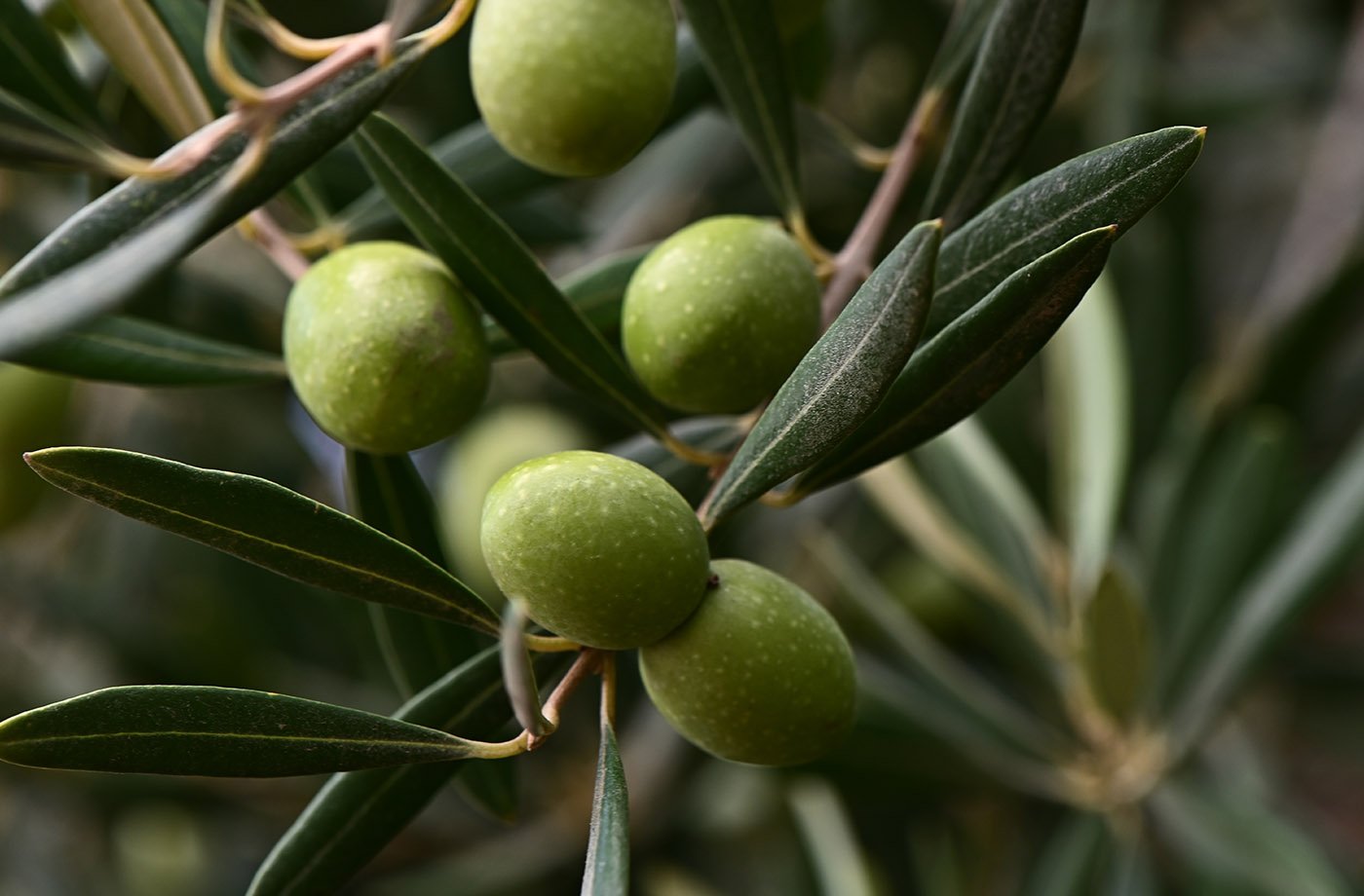
The Olive Tree: From Blessed Seedling to Expert Harvest for Oil Quality
The olive tree is a symbol of blessing and resilience. Its cultivation is simple in principle but requires patience, and the harvesting process critically determines the quality of the extracted oil. Achieving excellent virgin olive oil requires precise picking and rapid processing of “tender” fruit.
Part I: How is the Olive Tree Cultivated? (The Stages of Patience)
Olive trees are planted in several ways, but the most common method for farmers is relying on seedlings or cuttings:
1. Site and Soil Selection
-
Climate: Olives thrive in a Mediterranean climate, characterized by mild, cool winters and hot, dry summers. The tree requires a period of cold (about two months) in winter to begin flowering and fruiting.
-
Soil: Olives can grow in various soil types, including rocky and dry lands, but they prefer well-drained soil. The tree must be exposed to direct sunlight for the longest possible period (no less than five hours daily).
2. Planting Method (for Seedlings)
-
Digging the Hole: A hole slightly larger than the size of the seedling’s pot is dug.
-
Planting: The seedling is planted, taking care not to disturb the roots except to prune any circling roots. The tree is placed in the hole and covered with the original soil.
-
Initial Watering: The tree is watered thoroughly immediately after planting, and regular watering is maintained in the first few weeks until the seedling adapts to its new location.
3. Waiting and Fruiting
-
Initial Growth: The tree usually begins to fruit 3-5 years after planting, but economic production and high quality are achieved when the tree is between 15-20 years old.
-
Pruning: Annual pruning is essential to shape the tree’s structure, open its center to sunlight, and facilitate future harvesting.
Part II: The Correct Methods for Harvesting “Tender” Olives (For Oil Quality)
“Tender picking” refers to methods that preserve the integrity of the fruit, ensuring it is free from cuts and bruises. Any damage or crushing of the fruit initiates the oxidation process and increases the oil’s acidity, thus reducing its quality. The goal of harvesting for Extra Virgin Olive Oil production is to minimize damage and accelerate processing.
1. Optimal Harvest Timing (Ripeness Indicator)
The timing of the harvest is the most crucial factor in determining the oil’s quality and flavor:
-
Green Olives: Yield oil that is very rich in antioxidants and has a strong, pungent, and bitter flavor, but the quantity of extracted oil is low.
-
Color-Changing Olives (Tender): To obtain a balanced excellent virgin oil, picking is preferred when the fruits start changing color (the stage between green and black/purple). This ensures a good oil content with a high concentration of polyphenols.
2. Recommended Harvesting Methods for High Quality (Gentleness and Caution)
For producing the best oil, methods that ensure the fruit’s safety are preferred:
-
Hand-Picking: This is the best and purest method for obtaining high-quality oil. The fruits are collected directly by hand and placed in perforated plastic crates or baskets. This method is slow and expensive but completely protects the fruit from bruising and prevents the loss of fruiting branches for the following year.
-
Combing: Manual or mechanical combs with plastic teeth are used to gently comb the branches, causing the fruits to fall onto clean nets spread beneath the tree.
-
Vibration Harvesting: Mechanical vibrator machines are used to gently grip and shake the trunk or large branches, causing the fruits to drop onto collection nets. This method is much faster but must be strong enough to collect the fruits without causing significant harm to the tree.
3. Crucial Post-Harvest Steps
Oil quality does not stop at picking but continues with subsequent processing:
-
Avoid Striking (Beating): The use of sticks or beating must be completely avoided, as it damages the fruit and knocks off leaves and branches that would bear fruit the following year, reducing productivity and oil quality.
-
Appropriate Containers: Fruits are collected in perforated plastic crates or ventilated baskets, avoiding plastic bags which accelerate fruit spoilage and increase oil acidity.
-
Speed to the Mill: The most important rule in producing excellent virgin oil is pressing the fruits within 24 hours (and preferably less than 4 hours) of picking. Delaying pressing leads to fermentation of the fruits in piles, which drastically raises acidity and reduces quality.


