

Blogs
The History of Olive Oil: From Ancient Civilizations to Today’s Tables

The History of Olive Oil: From Ancient Civilizations to Today’s Tables
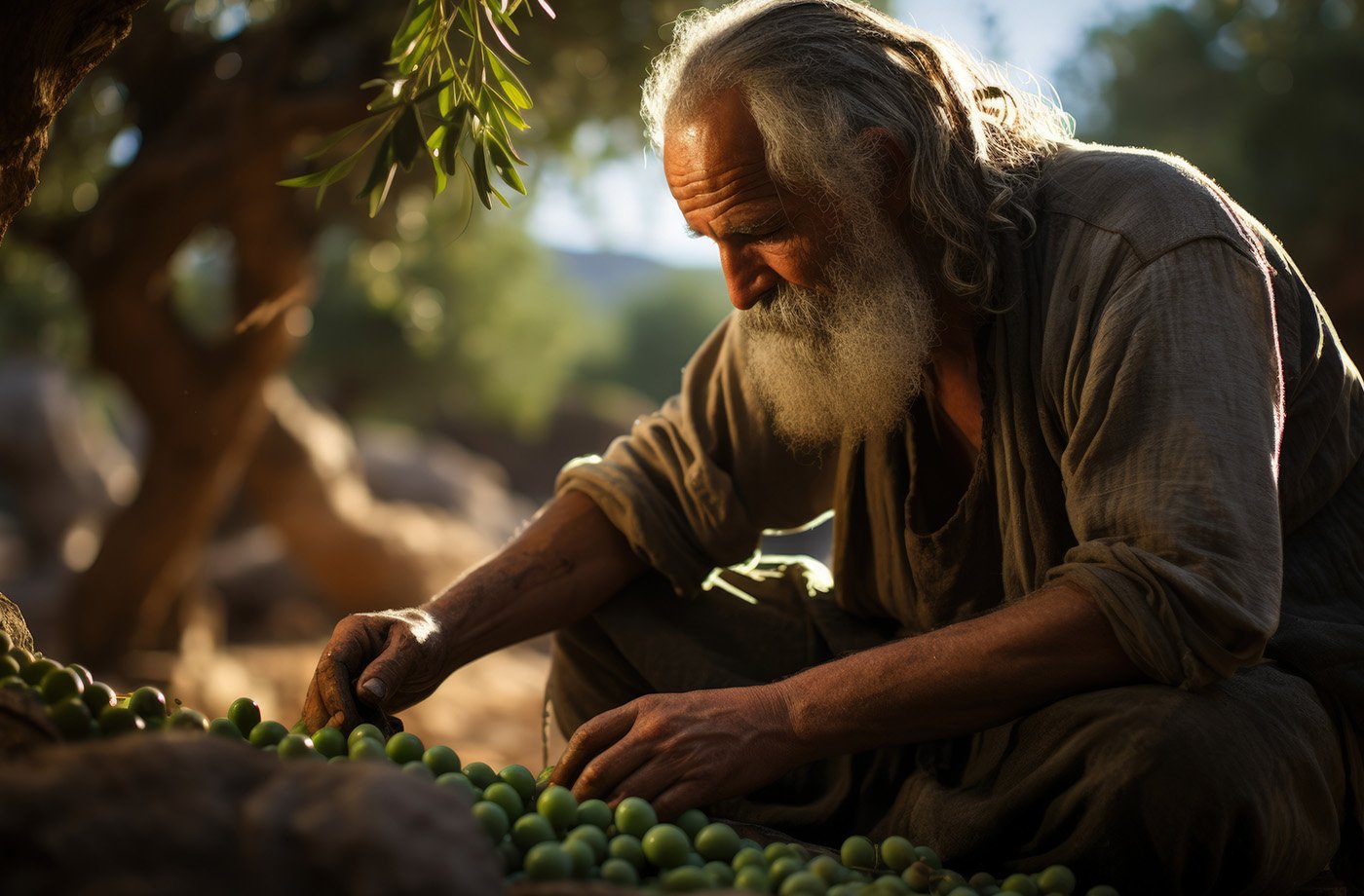
Olive oil is not just oil; it is a piece of liquid history, a silent witness to the rise of civilizations, and an essential partner in their rituals and daily lives. For thousands of years, the olive tree, or “Tree of Life” as it is called, has been a symbol of peace, wisdom, and prosperity in the Mediterranean region.
Let us embark on a journey through time to trace the impact of this golden elixir.
Phase I: The Cradle and the Myths (7000 BCE – 1000 BCE)
Archaeological evidence indicates that the wild olive tree (Olea europaea sylvestris) first originated in the Near East, specifically in the regions of the Fertile Crescent.
Minoans and Phoenicians: The Early Pioneers
-
Crete and Greece (3500 BCE): Credit for the first organized cultivation of olives and oil extraction is attributed to the Minoan civilization on the Greek island of Crete. The oil was not only a food item but a highly valuable trade commodity, used for barter and wealth.
-
Religious Symbolism: In Greek mythology, the goddess Athena was said to have gifted the olive tree to the people of Athens, making it a symbol of wisdom and strength.
-
Trade Spread: The Phoenicians played a pivotal role in transporting and spreading olive trees through their trade routes across the Mediterranean basin, reaching the shores of North Africa and Spain.
Phase II: The Golden Age and Multiple Uses (1000 BCE – 500 CE)
During this phase, the production and use of olive oil reached its peak, especially in the Greek and Roman Empires.
-
Ancient Greece: The oil was used to fuel lamps, in cosmetics (for anointing the body after bathing or before exercise), and in medicine as an ointment and remedy. Winners of the ancient Olympic Games were rewarded with olive branch wreaths and flasks filled with the precious oil.
-
The Roman Empire: The Romans regulated oil production, and it became an integral part of the food ration (Stipendium) given to soldiers and civilians. They established huge presses and mastered transportation and storage methods in large earthenware jars (Amphorae).
-
Religious Use: In the Abrahamic religions, olive oil was an essential part of anointing, sanctification, and lighting rituals.
Phase III: The Middle Ages and Relative Decline (500 CE – 1500 CE)
After the fall of the Roman Empire, oil production declined in some regions, but flourished in others.
-
The Islamic Role: The Islamic civilization maintained olive cultivation in Andalusia and North Africa, developing pressing and irrigation techniques, and regularly using the oil in cooking, medicine, and soap making.
-
Priesthood and Churches: European monasteries and churches preserved olive cultivation for religious purposes (anointing and lighting rituals) and as a food source.
Phase IV: The Modern Renaissance and Rediscovery (1500 CE – Today)
-
Discovery of the New World: Spanish explorers transported olive tree saplings to the Americas, and cultivation began in California, Mexico, Chile, and Argentina.
-
Scientific Renaissance: In the mid-20th century, scientific interest in the “Mediterranean Diet” began to grow. Research revealed the immense health benefits of olive oil in fighting heart disease and inflammation, leading to its global popularity.
-
Today’s Table: Extra Virgin Olive Oil has transformed from being just a cooking fat into a functional food recommended by doctors and nutritionists worldwide, becoming the foundation of a healthy and sustainable diet.


